Yōshū Chikanobu, 1891Japan, with its volcanic landscape and temperate climate, is rich in green forests, majestic mountains and scenic waterways, and its natural beauty and changing seasons have always been a central theme in literature and art. During the Edo period (1603-1868), when the urban population became patrons of a vibrant new artistic and literary culture, natural landscapes and elements like flowers, trees and birds were depicted not only in paintings but also in the more affordable woodblock prints designed by Japan’s most famous artists – the focus of this section of the exhibition.The woodblock prints of the Edo period are part of a tradition called ukiyo-e (“pictures of the floating world”) – paintings, illustrated books and prints that originally portrayed the entertainers and activities of the urban pleasure quarters, or “floating world.”In 1830, the publisher Nishimura Yohachi commissioned renowned artist Katsushika Hokusai (1760-1849) to design a print series called Thirty-Six Views of Mount Fuji (Japanese: Fugaku Sanjūrokkei). The series, which includes Hokusai’s celebrated “Great Wave,” was a huge success. Just two years later Utagawa Hiroshige (1797-1858) designed the series Fifty-Three Stations of the Tōkaidō (Japanese: Tōkaidō Gojūsan-tsugi) illustrating the stops along the route between Edo (modern Tokyo) and Kyoto. The edition published by Hōeidō was the best-selling Japanese print series of the time, establishing landscape as a theme of ukiyo-e. Hiroshige went on to design many more landscape series, including thirty more just on the Tōkaidō, and numerous other artists created prints of Japan’s famous beauty spots well into the 20th century.
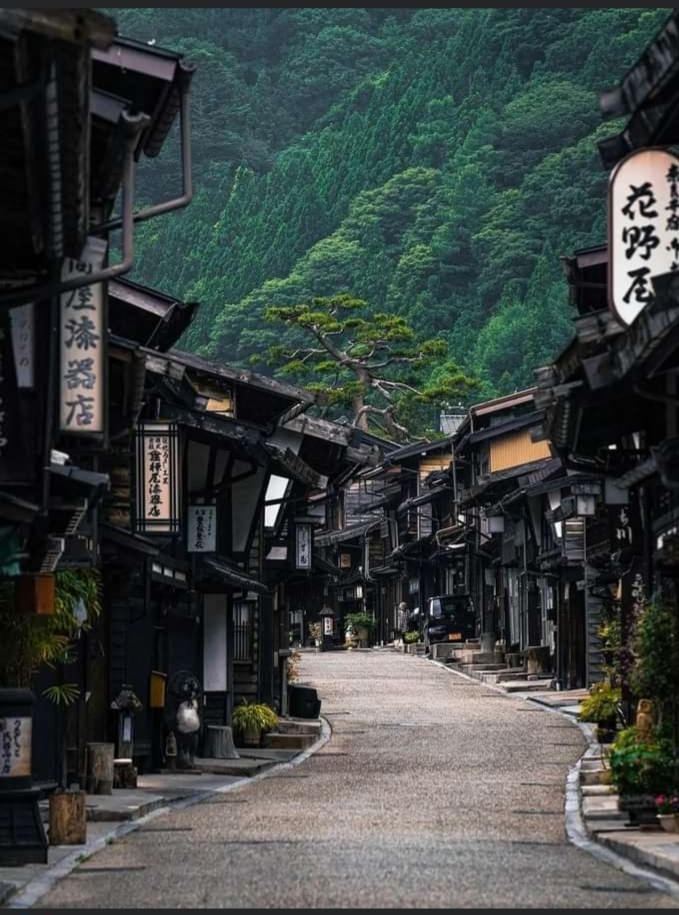
NATURE: The Beauty of the Japanese Landscape & home’s 🏡🏠

 science Technology